
BLOOD FATS

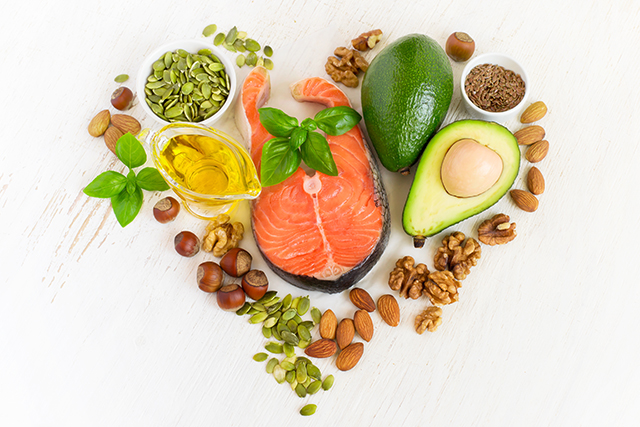
It’s not uncommon to hear someone say that they have “high cholesterol” and that they are “on a diet” or taking medication to manage their cholesterol. What are blood fats and how can we manage them?
Cholesterol
Cholesterol is a kind of fat that is a part of all of our body’s cells. It is essential for many of the body’s metabolic processes, including the production of hormones (e.g., oestrogen and testosterone), vitamin D and bile for digesting fat, and absorbing fat soluble vitamins (e.g., Vitamin A, D, E and K) from foods into the small intestine. It is produced by the liver and also made by most cells in the body. It is carried around in the blood by little “couriers” called lipoproteins, which include:
LDL or “bad” cholesterol
LDL, or Low Density Lipoprotein cholesterol, takes cholesterol from the liver to the rest of the body’s organs, where it can build up in the walls of blood vessels, eventually blocking them. Having high levels of LDL in the blood is therefore a risk factor for cardiovascular diseases like heart attacks and strokes.
HDL or “good” cholesterol
HDL, or High Density Lipoprotein cholesterol, seems to protect against cardiovascular disease because it clears cholesterol from our blood vessels and helps in its removal from the body. Having low levels of HDL in the blood is therefore a risk factor for cardiovascular disease.
Triglycerides
Triglyceride is the scientific name for fat, and it can come from eating fat, or can be manufactured in our bodies from other nutrients. Triglycerides, as the name suggests, are fat molecules composed of 3 fatty acids joined to a glycerol (a sugar alcohol) backbone. High levels of triglycerides in the blood are an independent risk factor for cardiovascular disease in people with diabetes, and having too much triglyceride in the blood is often linked with having too little HDL cholesterol.
High triglyceride levels can be caused by a number of factors, including being overweight, consuming a high fat diet, not eating enough omega-3 polyunsaturated fats (especially from sea foods), eating too many high GI carbohydrates, and/or drinking too much alcoholic or sugar sweetened drinks.
Fats in foods and blood cholesterol
Most fats we consume – whether from animals or vegetables – are in the form of triglycerides when we eat them. Fatty acids themselves are chains of hydrogen and carbon, with an acid group at one end. Our digestive organs break fats down into free fatty acids and they are absorbed into our intestinal cells, re-assembled and eventually released into our blood streams.
Saturated fat
Frequent consumption of large amounts of foods and ingredients high in saturated fat is not a good idea because they are the kind that raise the “bad” LDL cholesterol. Some may also raise the “good” HDL cholesterol.
Trans fat
Like saturated fats, trans fats increase the amount of LDL cholesterol in our blood, but in addition to this, they also lower the “good” HDL cholesterol. The overall effect is even worse for health than saturated fat.
To reduce the amount of saturated fat and to limit the amount of trans fat you eat:
- Choose lean meat and trim excess fat off before cooking.
- Remove the skin from poultry (where possible, before cooking).
- Limit your use of butter, unbranded margarines, hard cooking margarines, lard, dripping, cream, and sour cream.
- Choose reduced or lower fat milk, yoghurt, ice cream and custard.
- Limit the quantity of cheese you eat and try reduced or lower fat varieties.
- Limit pastries, cakes, puddings, chocolate and cream biscuits to special occasions.
- Limit pre-packaged biscuits, savoury packet snacks, cakes, frozen and convenience meals.
- Limit the use of processed deli meats (devon/polony/fritz/luncheon meat, chicken loaf, salami etc…) and sausages.
- Avoid fried take away foods such as chips/French fries, fried chicken and battered fish, choose BBQ chicken (skin off) and grilled fish instead.
- Avoid pies, sausage rolls, and pasties.
- Choose tomato and soy-based sauces rather than creamy sauces, and avoid creamy style soups.
Poly and monounsaturated fats
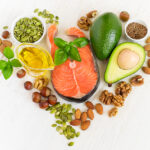
Polyunsaturated and monounsaturated fats can help lower LDL cholesterol levels and raise HDL cholesterol, decreasing your risk of cardiovascular disease.
It is therefore important that you eat some of these goods fats every day:
- Stir fry meat and vegetables in a little peanut, sesame, soybean or Canola oil (or oil spray) with garlic or chilli.
- Dress a salad or steamed vegetables with a little olive oil and lemon juice or vinegar.
- Sprinkle sesame seeds or olive oil on steamed vegetables.
- Eat bread that has linseeds added and spread a little olive oil or Canola margarine.
- Snack on a handful of unsalted nuts or seeds, or add some to a stir-fry or salad.
- Spread avocado on sandwiches and toast, or add it to a salad.
- Eat more fatty fish (e.g., Salmon, Mackerel, Sardines, Herring, Trout, Anchovies, etc…).
Carbohydrates and cholesterol
While fats are the primary nutrient of interest when it comes to blood cholesterol levels, carbohydrate-containing foods also play a role. For example, oats, legumes, fruits and vegetables, contain certain kinds of fibre (e.g., β-glucans, pectin’s, etc…) that may help lower blood cholesterol levels by binding it in our guts. In addition to dietary fibre, there is growing evidence that the kind of carbohydrate that we eat also has an effect on our blood cholesterol levels.
Glycemic index and blood fats
As discussed in this month’s What’s New?, recent systematic reviews and meta-analyses provide good evidence that low GI diets can significantly improve cholesterol levels – in particular, in people with diabetes. It is thought that healthy low GI diets lower blood cholesterol levels by decreasing insulin secretion/improving insulin sensitivity, and thereby reducing the activity of a key enzyme involved in cholesterol synthesis.
Read more:
- Barclay. Reversing Diabetes. Murdoch Books, 2015.
- Chiavaroli and colleagues. Effect of low glycaemic index or load dietary patterns on glycaemic control and cardiometabolic risk factors in diabetes: systematic review and meta-analysis of randomised controlled trials. BMJ. 2021.
- Sun and colleagues. Low Glycemic Index Diets on Glycemic and Lipid Control Across Diverse Populations: A Systematic Review and Meta-Analysis. Curr Diabetes Rev. 2026.

Latest Blog Post List