

CAN A LOW GI DIET IMPROVE CHOLESTEROL LEVELS?

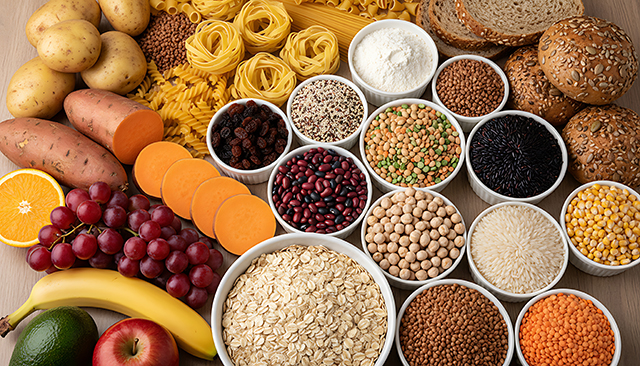
A recent systematic review and meta-analysis, published in Current Diabetes Reviews, found that a low GI diet may help modestly lower LDL cholesterol levels.
Dietary changes are the first line of treatment for high cholesterol. Current recommendations include replacing saturated fats with unsaturated fats and increasing soluble fibre intake. Some studies have also reported benefits from low GI diets, although findings have not always been consistent.
This new systematic review combined findings from 25 randomised controlled trials evaluating the effects of low GI diets on glycaemic and lipid profiles. The studies included 1,973 participants aged 12 to 75 years, including healthy participants and people with overweight or obesity, prediabetes or impaired glucose metabolism, or type 2 diabetes.
The researchers found that, compared with control diets, low GI diets led to modest but significant reductions in:
- LDL cholesterol (by 0.15 mmol/L
- Fasting blood glucose (by 0.19 mmol/L)
- HbA1c, a measure of longer-term blood glucose levels (by 0.22 percentage points)
Other markers, including total cholesterol, triglycerides, HDL cholesterol, fasting insulin and HOMA-IR (a marker of insulin resistance) also tended to move in a favourable direction, although these changes were not statistically significant.
The benefits were greater in people with type 2 diabetes and those with higher fasting glucose levels at the start of the study, suggesting that low GI diets may be particularly useful for people at higher metabolic risk.
Greater benefits were also seen in studies lasting 12 weeks or longer, which is not surprising because shorter studies may not allow enough time to detect meaningful changes.
The review also found that studies conducted in the Asia-Pacific region showed greater improvements than those conducted in Europe or the Americas. The authors suggest this may reflect differences in staple foods. In many Asia-Pacific countries, refined (i.e., white) rice and wheat products make up a large part of daily carbohydrate intake, so replacing these with lower-GI options such as wholegrains, legumes and other slowly digested starchy foods may have a larger effect.
While the changes were small, particularly compared with what is typically achieved with cholesterol- and glucose-lowering medications, the authors suggest that even small population-wide reductions in these cardiometabolic risk factors may translate into fewer cases of type 2 diabetes and cardiovascular disease over time. A low GI diet is also a safe, non-drug intervention that may offer small additional benefits when combined with other dietary changes known to lower cholesterol and blood glucose levels.
The study findings are consistent with previous research, and there are plausible mechanisms to explain them. Lower-GI foods such as legumes, wholegrains and some vegetables are often good sources of soluble fibre, which can help lower LDL cholesterol and slow carbohydrate digestion and absorption, reducing the post-meal blood glucose response. The authors suggest this may help explain why significant improvements were seen in LDL cholesterol and HbA1c levels, whereas other lipid markers such as HDL cholesterol and triglycerides may be more influenced by factors such as fat quality and alcohol intake.
- Sun and colleagues. Low Glycemic Index Diets on Glycemic and Lipid Control Across Diverse Populations: A Systematic Review and Meta-Analysis. Curr Diabetes Rev. 2026.

Dr Kate Marsh is an is an Advanced Accredited Practising Dietitian, Credentialled Diabetes Educator and health and medical writer with a particular interest in plant-based eating and the dietary management of diabetes and polycystic ovary syndrome (PCOS).
Contact: Via her website www.drkatemarsh.com.au
Latest Blog Post List