
INSULIN, BLOOD GLUCOSE AND CHOLESTEROL

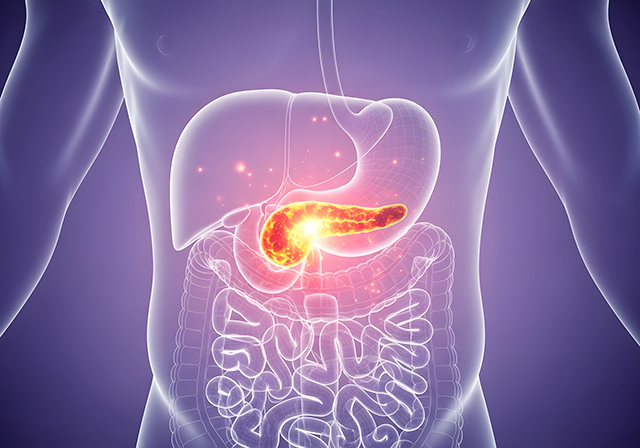
When we think about insulin, most of us will recognise that it has an essential role in managing blood glucose levels, and that people with diabetes either don’t produce any (Type 1) or have a relative insufficiency (Type 2). Perhaps less known is that in addition to its central role in blood glucose regulation, insulin also helps our body’s regulate fat and protein metabolism.
What is insulin?
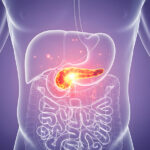
Insulin is an anabolic hormone produced by the beta cells that reside within the pancreas’s islets of Langerhans. It is a polypeptide (i.e., protein) hormone that contains a total of 51 amino acids. Because it is a protein, it cannot be given by mouth as it will be broken down into its constituent amino acids in the stomach and small intestine. Hence the need for insulin to be injected into the skin by those who are deficient in the hormone.
How does insulin work?
Our digestive tracts progressively breakdown foods and drinks into their constituent nutrients including carbohydrates (i.e., maltodextrins, starches and sugars), fats, proteins, vitamins and minerals and these are, via a complex variety of processes, absorbed into our intestines.
In our blood, primarily sugars (i.e., glucose) from the carbohydrates, but also certain amino acids (e.g., arginine and leucine) and fatty acids (e.g., palmitic and stearic acids) stimulate insulin secretion from the pancreas, which in turn acts to lower blood glucose levels to keep them within the optimum range (e.g., 4 – 6 mmol/L or 70 – 140 mg/dL). In our body’s, carbohydrate metabolism includes the following processes that are regulated primarily by insulin (and also glucagon):
- Glycogenesis: Glycogen synthesis and storage. Glycogen is a kind of starch, made from glucose and stored in the liver and muscles.
- Gluconeogenesis: Glucose synthesis from non-carbohydrate precursors (e.g., from fats and proteins).
- Glycogenolysis: Glycogen breakdown and mobilization.
- Glycolysis: Glucose breakdown for energy production.
Beyond blood glucose regulation, insulin plays a critical role in blood fat metabolism by promoting lipogenesis and inhibiting lipolysis:
- Lipogenesis: Fatty acid and triglyceride synthesis.
- Lipolysis: Triglyceride breakdown for energy utilization.
Finally, insulin is an anabolic hormone that regulates protein metabolism. Insulin increases amino acid uptake, particularly alanine, arginine, and glutamine. Insulin also enhances protein synthesis in muscle and the liver. Proteolysis (protein breakdown) is also decreased through the inhibition of certain enzymatic pathways.
In summary, after consuming a typical mixed meal, insulin promotes glucose uptake, glycogenesis, lipogenesis, and protein synthesis, while suppressing glucose production and lipolysis.
Diabetes and blood fats
In people with pre-diabetes, type 2 diabetes and those at risk, cells no longer respond efficiently to insulin’s signals – they become what is known as insulin resistant. Over time, the situation gets progressively worse, leading to:
- Increased blood fats: Fat cells no longer respond to insulin’s instruction to stop lipogenesis and lipolysis – they continuously leak free fatty acids into the blood even when not fasting.
- Fatty liver disease: The liver absorbs these excess circulating fatty acids and continues to turn excess glucose into fat via lipogenesis. This leads to fat accumulating inside the liver and the development of Non-Alcoholic Fatty Liver Disease or Metabolic Dysfunction-Associated Fatty Liver Disease.
- Dyslipidaemia: The liver releases large amounts of VLDL cholesterol, leading to a risky blood lipid profile: high triglycerides, high LDL (“bad”) cholesterol, and low HDL (“good”) cholesterol.
Ultimately, this vicious cycle stresses the pancreas’s beta cells, elevates blood glucose and causes dyslipidaemia, and can progress directly to Type 2 diabetes and cardiovascular disease (heart disease, stroke, etc…).
Conclusion
While known for its effects on blood glucose, insulin affects fat and protein metabolism also.
Read more:
- Newsholme and Krause. Nutritional regulation of insulin secretion: implications for diabetes. Clin Biochem Rev. 2012.
- Losada-Barragán. Physiological effects of nutrients on insulin release by pancreatic beta cells. Mol Cell Biochem. 2021.
- Merheb and Rahimi. Biochemistry, Insulin Metabolic Effects. [Updated 2026 May 13]. In: StatPearls [Internet]. Treasure Island (FL): StatPearls Publishing; 2026.

Latest Blog Post List