
NUT BUTTER: SPREADING THE LOVE

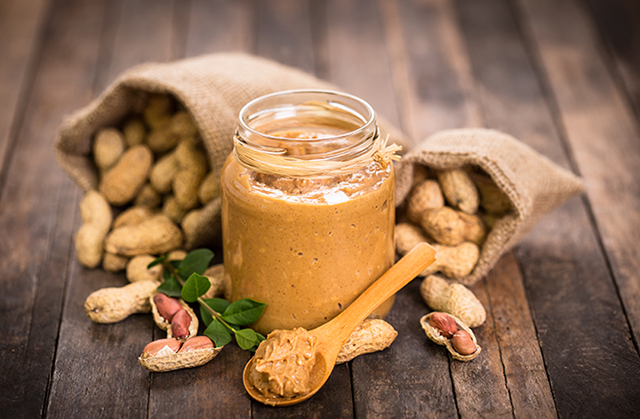
I didn’t encounter peanut butter until my early teens because it simply wasn’t part of my family’s pantry. As an adult, I’ve been making up for lost time. It is now one of my favourite pantry staples, and finding a supermarket container big enough for my needs can be a challenge. Happily, this delicious habit can also be a healthy one.
More than a spread
Peanut butter belongs to a growing family of nut and seed butters. Alongside the old faithful, supermarket shelves now offer almond, cashew, hazelnut, pistachio and mixed-nut butters, as well as seed-based spreads such as tahini.
Peanuts are legumes rather than tree nuts, but nutritionally they have plenty in common. Peanut butter provides protein, mostly unsaturated fats, fibre and a range of vitamins, minerals and phytonutrients. It also has some practical advantages over many of its more exotic cousins: it is widely available, relatively inexpensive and extraordinarily versatile. That combination of protein, fat and fibre is also interesting from a glycaemic point of view.
Better together
Peanut butter has a low GI (estimated to be 18) and because a typical serve contains relatively little carbohydrate, its glycaemic load is also very low. Perhaps more interesting is what happens when peanut butter joins other carbohydrate foods on the plate.
In a small study of 16 healthy adults, adding two tablespoons (32 g) of peanut butter to a high-GI meal of white bread and apple juice significantly reduced the rise in blood glucose compared with eating the meal without peanut butter (1). The fat, protein and fibre in nut butter may help slow digestion and moderate the glucose response to a mixed meal.
This doesn’t magically turn white bread into a low GI food. Instead, it illustrates an important principle: we usually eat foods as part of meals, and those combinations influence the overall glucose response. Start with a good-quality carbohydrate food, and nut butter can add flavour, texture and staying power.
Good for glucose, good for lipids?
Low GI eating may have benefits beyond blood glucose. A new systematic review featured in this month’s What’s New?, brought together 25 randomised controlled trials examining the effects of low GI diets on both glucose management and blood lipids (2). As expected, low GI diets modestly improved fasting blood glucose and HbA1c. Interestingly, they also reduced LDL cholesterol.
That doesn’t mean lowering the GI of your diet is all you need to do for healthy cholesterol levels. GI tells us something important about the quality of carbohydrate foods, but it doesn’t tell us about the quality of the whole diet. The types of fat we eat, along with fibre and other dietary factors, also influence blood lipids.
So, if we’re aiming for a way of eating that’s friendly to both blood glucose and blood lipids, it makes sense to think about carbohydrate quality and fat quality. This is where nut butters fit rather nicely.
Nuts and peanuts are rich in unsaturated fats, along with protein, fibre and other beneficial plant components. Regular nut consumption has been shown to modestly lower LDL cholesterol (3), and studies of peanuts and peanut butter suggest the benefits aren’t lost when nuts are ground into a spread (4).
In other words, there are two useful levers we can pull: choose better-quality carbohydrates and better-quality fats. Nut butter makes it deliciously easy to do both on the same plate.
What should you look for in a nut butter?
You don’t need an exotic or expensive jar. Peanut butter is an excellent everyday choice.
Check the ingredient list. Many products contain simply peanuts, perhaps with a little salt, while others include added oils, sugar and salt. Some stores will grind roasted peanuts into butter for you. A 100% nut product is an easy choice, but there’s no need for nutritional perfectionism. Compare labels – particularly when sodium or added sugar varies substantially between brands – then choose a product you enjoy and can afford to eat regularly.
And mix things up a bit. Almond, cashew and mixed-nut butters provide different flavours and textures and make an enjoyable change. The evidence for improving blood lipids applies to nuts as a group rather than identifying one superior nut.
One small caveat: the metabolic benefits of peanut butter cannot necessarily be guaranteed once it’s surrounded by caramel, wrapped in chocolate and sold as a chocolate bar. Nice try, though.
Spread the good stuff
Perhaps the best thing about nut butter is how easily it earns its place on our plates.
Nut butter can be spread on grainy toast; added to slices, bars, energy balls and smoothies; whisked into a satay-style sauce, curry or soup; stirred into porridge; or blended with lime, soy sauce and chilli for a quick dressing for noodles and vegetables. For a simple, satisfying snack, pair your favourite nut butter with fresh apple, pear or banana.
Good nutrition works best when it also tastes good, fits the budget and is easy enough to become part of everyday life. On all three counts, humble peanut butter is hard to beat.
Nutrition information for Peanut butter (no added salt or sugar)
| Nutrients | Per 20 g serving (1 tablespoon)* | Per 100 g |
| Energy (Kilojoules/Calories) | 526 kJ (126 Cal) | 2576 kJ (616 Cal) |
| Protein (g) | 4.9 | 24.3 |
| Fats (g) | 10.9 | 54.3 |
| Saturated fats (g) | 1.9 | 9.44 |
| Carbohydrates (g) | 1.9 | 9.4 |
| Sugars (g) | 1 | 5.2 |
| Starches (g) | 0.9 | 4.2 |
| Fibre (g) | 1.3 | 6.5 |
| Sodium (mg) | 2 | 12 |
| Glycemic index (%) | 18 | 18 |
| Glycemic load (g) | 0.3 | 1.7 |
* For the author, this is an underestimate of actual portion size consumed
Read more:
- Lilly and colleagues. The Effect of Added Peanut Butter on the Glycemic Response to a High-Glycemic Index Meal: A Pilot Study. Journal of the American College of Nutrition, 2019.
- Sun and colleagues. Low glycemic index diets on glycemic and lipid control across diverse populations: A systematic review and meta-analysis. Current Diabetes Reviews, 2026.
- Nishi and colleagues. Effect of nut consumption on blood lipids: An updated systematic review and meta-analysis of randomized controlled trials. Nutrition, metabolism, and cardiovascular diseases, 2025.
- Parilli-Moser, and colleagues. Effect of Peanut Consumption on Cardiovascular Risk Factors: A Randomized Clinical Trial and Meta-Analysis. Frontiers in nutrition, 2022.

Nicole Senior is an Accredited Practising Dietitian, nutrition consultant, educator and food enthusiast who strives to bring nutrition science to life and delights in proving that healthy food can be irresistibly delicious.
Latest Blog Post List