
LUPINS: THE HIGH FIBRE, HIGH PROTEIN LEGUME YOU’VE NEVER HEARD OF

In conversations about carbohydrates, fibre and protein are often treated as bonuses rather than fundamentals. Yet one Australian grown legume ticks all the boxes, and you’ve possibly never heard of it. Lupins are emerging as a food that makes sense for modern nutrition and for the environment.
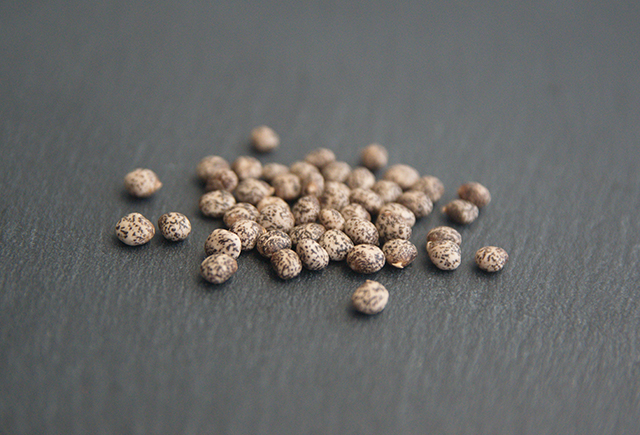
Lupins are the edible seeds of plants from the Lupinus family, a group of legumes related to lentils, chickpeas and peanuts. It’s important to distinguish between traditional brined lupini beans and Australian sweet lupins, which are bred for everyday cooking and baking. Lupins have historically been used mostly as animal feed but also enjoyed in Mediterranean cultures where brined lupini beans (Lupinus albus) are enjoyed as a snack. These must be de-bittered before eating, like olives. While these may be familiar, Australian sweet lupins (Lupinus angustifolius) are different. They are bred to remove naturally bitter compounds for everyday cooking rather than brining, with a milder flavour and different texture, making them far more versatile. Australia is the largest producer of sweet lupins in the world.
Environment
As legumes, they fix nitrogen from the atmosphere into the soil, reducing reliance on synthetic fertilisers and improving soil health. Lupins require relatively low inputs compared with many high-protein crops. At a time when both food systems are grappling with sustainability, lupins represent a rare example of a crop that supports soil health, climate resilience and nutritional adequacy at the same time.
Availability
Lupins may be a little hard to find in your local supermarket but are available online and in specialty stores. They are available in several forms:
- whole lupini beans (usually soaked, debittered and brined)
- (sweet) lupin flour or flakes for cooking and baking
- crumb mixes, pasta and bread products incorporating (sweet) lupin
Like soy and peanuts, lupin is a declared allergen and must be clearly labelled on packaged foods.
Nutrition
Lupins contain very little digestible starch but plenty of fibre (almost 30%) and plant protein (almost 40%). Like essentially all legumes, lupins probably have a low GI, but exact figures are not available because their low carbohydrate content makes human testing impractical. Research suggests that lupins can support satiety, glycaemic control and cardiometabolic health. Sweet lupins also have a good micronutrient profile providing magnesium, potassium, iron, zinc, calcium, selenium and folate, along with B group vitamins, vitamin E and antioxidant carotenoids.
Lupins may be particularly relevant for people using GLP 1 receptor agonist medications such as Ozempic/Mounjaro/Saxenda. They are nutrient dense, fibre rich and gentle on blood glucose. They provide a lot of nutrition per mouthful when appetite is reduced.
Culinary uses
Lupins are surprisingly versatile. Whole brined lupini beans can be eaten as a snack, added to salads, or used in bowls in place of higher GI grains. A simple snack idea is coating skinned lupini with your favourite spice mix and roast in the air fryer or oven until crisp. Sweet lupin flour and flakes can boost the fibre and protein content of breads, pancakes, muffins, slices and loaves, even smoothies, stews, sauces and casseroles. Their flavour is mild, making them easy to incorporate into familiar foods while quietly improving nutritional quality.
Lupins tick all the boxes for nutrition and environmental sustainability. They’re a ‘good carb’ worth getting to know, and finding ways to use more often
Nutrition information for (sweet) lupin, dehulled flakes, uncooked
| Nutrients | Per 40 g serving | Per 100 g |
| Energy (Kilojoules/Calories) | 432 kJ (103 Cal) | 1295 kJ (310 Cal) |
| Protein (g) | 14.8 | 36.9 |
| Fats (g) | 3.1 | 7.7 |
| Saturated fats (g) | 0.4 | 1 |
| Carbohydrates (g) | 4 | 10 |
| Sugars (g) | 1.4 | 3.6 |
| Starches (g) | 2.6 | 6.4 |
| Fibre (g) | 10.8 | 27 |
| Sodium (mg) | 20 | 50 |

Latest Blog Post List